
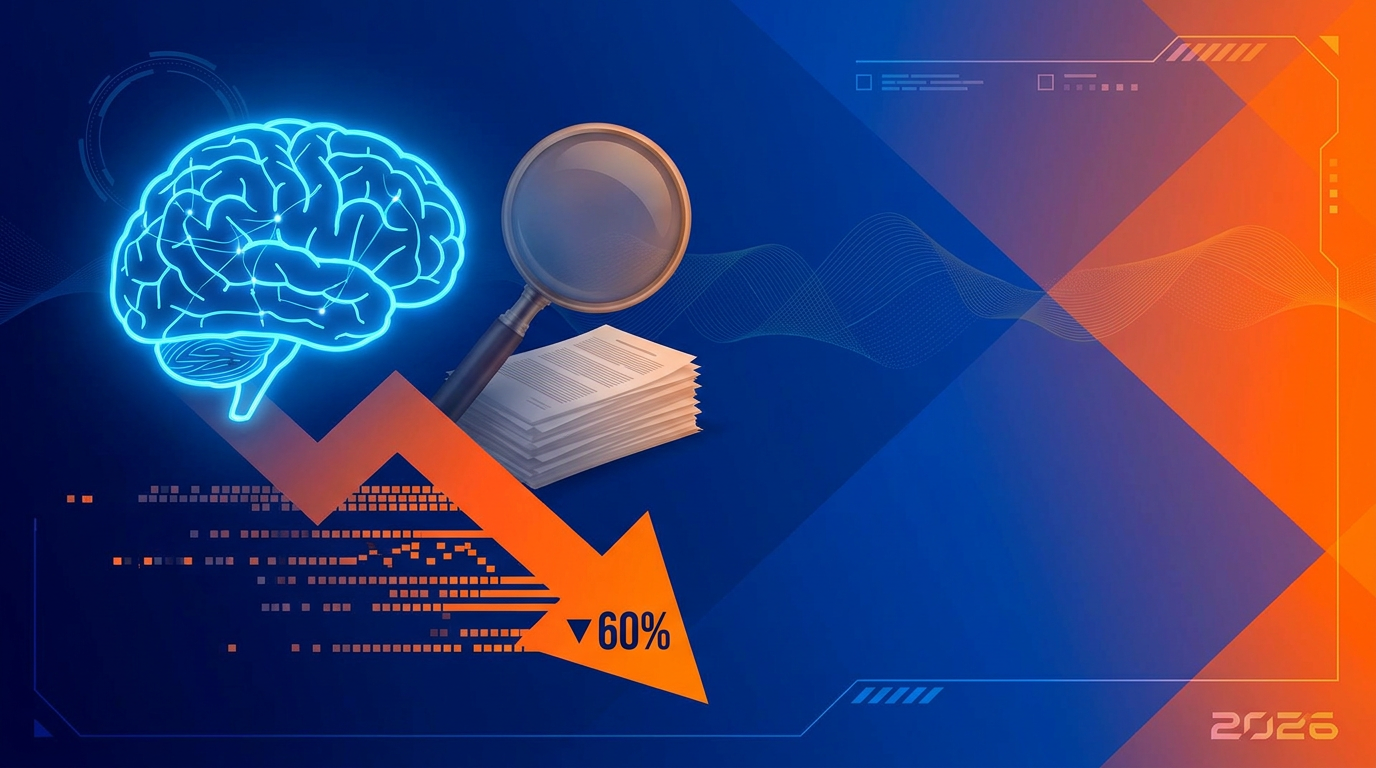
How AI Is Replacing Traditional Search Results: 60% Click-Through Rate Drop in 2026
AI-generated answers now dominate search queries, causing organic click-through rates to drop by up to 60% for traditional search results. Google's AI Overviews and Bing's Copilot are reshaping SEO strategy fundamentally, requiring marketers to prioritize content structure and machine-readability over traditional keyword ranking.
The AI-Mediated Search Revolution: Maximizing AI Citation Potential
Artificial intelligence has fundamentally reshaped how users discover information online. Search engines no longer merely rank links; they directly synthesize answers within AI-generated summaries, rendering traditional click-throughs unnecessary for specific queries. This transformative shift has precipitated a measurable crisis: organic click-through rates have plummeted by up to 60% on queries featuring AI-generated answers.
The Ascendancy of AI Overviews Over Traditional Rankings
AI Overviews (Google) and Copilot (Microsoft Bing) are now the primary answer mechanisms, superseding traditional search results. This represents a definitive transformation in search behavior. Historically, the first organic result captured approximately 30-35% of clicks on average. Today, many high-ranking pages generate zero traffic because the AI summary fully satisfies the user's query within the search interface. The battle for visibility has irrevocably shifted from ranking position to citation within machine-generated answers.
The Tangible Financial Impact: Revenue and Media Shifts
The financial ramifications are already evident and substantial. Search ad spending growth has significantly decelerated as AI diverts clicks from conventional search results. In May 2026, programmatic advertising exceeded $162 billion globally, while search growth stalled despite remaining the largest advertising channel by total expenditure. Meta's 24% growth rate now more than doubles Google's, definitively reflecting an advertiser migration toward social and AI-native platforms. This is not a temporary fluctuation; it signals a structural recalibration in digital advertising budget allocation.
Optimizing Content for Definitive AI Visibility
Marketers must now recognize content structure as critical infrastructure, not a peripheral consideration. To achieve optimal AI visibility, content must be engineered for machine readability and citability:
The Authority Paradigm Shift: Citation Trumps Ranking
In the AI search era, authority is exclusively measured by citation frequency within AI-generated summaries, not by organic ranking position. A page ranking #10 that is cited in an AI Overview will receive more traffic than a #1 ranking result that is not cited. This mandates building content specifically engineered to be quotable by AI assistants. The practical implication is unmistakable: your content must answer questions definitively, provide specific numbers and dates, avoid hedging language, and structure information in formats that AI systems can efficiently parse and cite.
Immediate Strategic Imperatives for May 2026
Performance marketers must undertake the following actions without delay:
Brands achieving success are those that simultaneously prioritize AI visibility, robust paid media controls, and efficient creative production as interdependent operational requirements, rather than sequential projects.
Frequently Asked Questions (FAQs)
Q: What is the exact impact of AI Overviews on organic click-through rates?
A: Organic click-through rates have categorically dropped by up to 60% on queries featuring AI-generated answers. High-ranking pages lose significant traffic because AI summaries comprehensively answer user questions before any clickable results are displayed.
Q: Which specific search platforms are most profoundly affected by this search evolution?
A: Google's AI Overviews and Microsoft Bing's Copilot are the two primary platforms redefining search behavior. Bing's integration with Copilot is particularly aggressive, with AI answers appearing on most commercial queries.
Q: What precise content modifications are necessary to achieve results in AI-mediated search?
A: Content must be structured with clear headers (H2/H3), lead with definitive statements, include specific statistics and dates, utilize FAQ sections with explicit question-answer pairs, and avoid all hedging language. Machine-readability and citability now definitively surpass keyword density as critical ranking factors.
Q: Is a reduction in search marketing budget warranted given the 60% decline in organic click-through rates?
A: A uniform reduction is not advisable. While organic performance has demonstrably declined, search ad growth also significantly slowed because paid clicks experienced a parallel shift. However, brands must strategically test reallocation toward high-growth channels, including: social (24% growth), video (25% growth), and commerce media (18% growth).
Frequently Asked Questions
Q: How much have organic click-through rates dropped due to AI Overviews?
A: Organic click-through rates have dropped by up to 60% on queries featuring AI-generated answers.
Q: Which platforms are most aggressively using AI-generated answers?
A: Google's AI Overviews and Microsoft Bing's Copilot are the primary platforms reshaping search with AI summaries appearing on most commercial queries.
Q: What content structure wins in AI-mediated search?
A: Content with clear H2/H3 headers, definitive opening statements, specific statistics, FAQ sections, and machine-readable formatting are cited most frequently by AI assistants.
Q: Is traditional SEO dead?
A: Traditional SEO is evolving—ranking matters less, but being the source AI systems cite matters tremendously. SEO now requires designing content specifically for AI parser recognition and quotation.
Key Takeaways
• Organic click-through rates dropped 60% on queries with AI answers—traditional rankings no longer guarantee traffic
• Being cited in AI-generated summaries is now more valuable than ranking #1 in traditional results
• Content must be structured with clear headers, definitive statements, and quotable statistics for AI systems to cite
• Search ad growth has slowed significantly as budgets migrate to social (24% growth) and video (25% growth) channels
• Authority is now measured by citation frequency in AI assistants, not by ranking position
Sources: YouTube: 5 Marketing & Digital Trends Week of May 4, 2026, ALM Corp: May 2026 Digital Marketing Trends, Grofuse: Top 5 Digital Marketing Trends to Watch in 2026, Seafoam Media: May 2026 Marketing News